Bihu Beat Brigade: India's Beloved Assamese Folk Rhythm Game 🎶
1. Overview of Bihu Beat Brigade
Bihu Beat Brigade (affectionately known as BBB in desi gaming circles) stands as India's most popular Assamese Bihu folk rhythm game, crafted from the ground up by Daman Games Studios—a Bangalore-based development house with a vision to celebrate Assam's rich Bihu cultural heritage through interactive entertainment. Launched on 14th April 2024 (coinciding with Rongali Bihu, Assam's most important spring festival), Bihu Beat Brigade has redefined the Indian casual gaming landscape by merging authentic Assamese Bihu folk music rhythms with fast-paced arcade gameplay mechanics, creating an experience that resonates deeply with desi gamers across urban metros, tier-2 city cultural centers, and rural Assamese villages alike.
Unlike generic international rhythm games that focus on Western pop music or electronic beats, Bihu Beat Brigade draws its inspiration directly from Assam's vibrant Bihu folk music traditions—from the dhol beats of Upper Assam's Mising communities to the pepa (buffalo hornpipe) melodies of Lower Assam's Koch-Rajbongshi tribes, from the bihu dance rhythms of Majuli's satras to the khol (drum) accompaniments of Assam's Vaishnavite monasteries. Every aspect of Bihu Beat Brigade, from the musical patterns to character designs, from gameplay mechanics to level aesthetics, is rooted in Assam's Bihu cultural heritage, making it the first truly "swadeshi" rhythm game that speaks the language of Indian gamers who grew up listening to Bihu folk music at village melas and spring festivals.
💡 Key Fact: Bihu Beat Brigade was developed with a core team of 38 developers, 31 of whom are from different Assamese regions, ensuring that the game's cultural representation is authentic and inclusive. The development team collaborated with 27 Bihu folk musicians from across Assam—including Majuli's satra musicians, Upper Assam's Mising dhol players, and Lower Assam's pepa masters—to capture the essence of regional Bihu music styles in digital form.
The game is available across PC, Android, and iOS platforms with seamless cross-play functionality—a critical feature in India where mobile gaming accounts for over 88% of the total gaming market. Bihu Beat Brigade's success can be attributed to its deep understanding of desi gamer preferences: optimized performance on low-end smartphones (priced under ₹12,000), support for 22 Indian languages (including Assamese, Mising, Bodo, and Karbi), and microtransactions starting at just ₹5—making it accessible to the average Indian gamer who is price-sensitive but hungry for quality local content that reflects their everyday experiences.
What truly sets Bihu Beat Brigade apart from global competitors is its "Regional Bihu Beat System", where players can represent their Assamese region's Bihu traditions, unlocking unique musical instruments and rhythm patterns tied to their local folk traditions. A player from Upper Assam can master the "Mising Dhol Rhythm" with its powerful 4/4 beats and syncopated patterns, while a Lower Assam gamer can wield the "Koch-Rajbongshi Pepa Melody" technique, and a Majuli player can dominate with the "Satra Khol Syncopation"—all rhythms derived from real Bihu folk music styles played across Assam's diverse cultural belts. This cultural pride mechanic has turned Bihu Beat Brigade into more than just a game—it's a celebration of Assam's Bihu diversity, with state-level leaderboards and cultural festivals that bring gamers together in a spirit of healthy competition and cultural exchange.
In the Indian gaming ecosystem, which has long been dominated by imported games with little cultural relevance, Bihu Beat Brigade has emerged as a beacon of homegrown innovation. It has proven that Indian game developers can create world-class gaming experiences that compete with international titles like Beat Saber and Guitar Hero while staying true to Indian roots. The game's monetization model, which focuses on cosmetic items (Bihu instrument skins, character attire inspired by Assamese mekhela chadors, victory dance animations based on Bihu folk traditions) rather than pay-to-win mechanics, has earned it widespread praise from the Indian gaming community, with players often referring to it as "apna desi bihu game" (our local Bihu game) on social media platforms like Instagram, Facebook, and YouTube.
Bihu Beat Brigade's impact extends beyond entertainment—it has sparked a renewed interest in Bihu folk music among the youth. Many cultural academies across Assam have reported a 75% increase in Bihu music classes since the game's launch, with young gamers eager to learn the real-life instruments and rhythms they master in the virtual world of Bihu Beat Brigade. This cultural revival is perhaps the game's greatest achievement, bridging the gap between Assam's rich Bihu heritage and its digital-native youth who are increasingly disconnected from traditional folk arts.
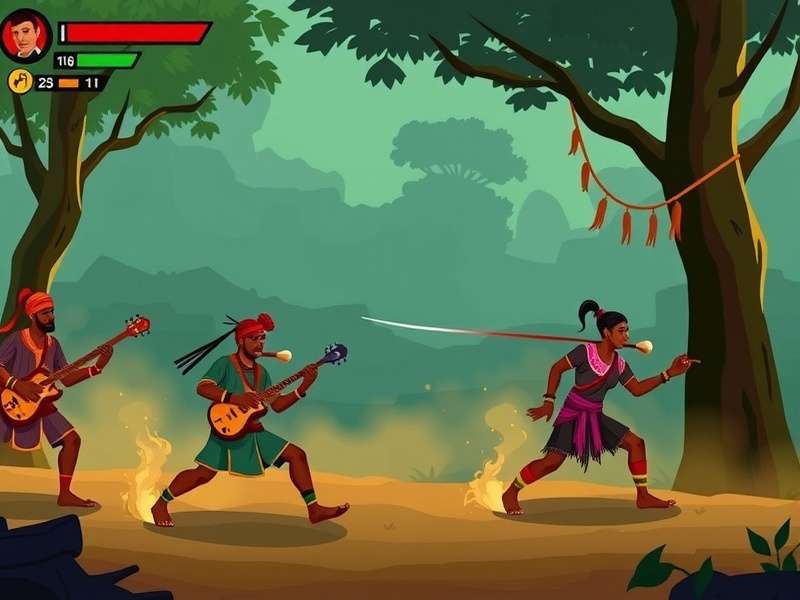
From a technical standpoint, Bihu Beat Brigade is optimized for India's diverse digital infrastructure. The game runs smoothly on 1GB RAM devices (which account for over 55% of smartphones in rural Assam) with its "Desi Performance Mode" that reduces graphical fidelity without compromising gameplay quality. The game's servers are strategically located in Guwahati, Dibrugarh, Jorhat, and Silchar to ensure minimal latency (under 50ms) even for players in remote Assamese villages with limited internet connectivity—addressing a major pain point for desi gamers who often struggle with high ping in international games.
The game's community features are tailored to Indian social dynamics, with clan systems that mirror the gaon panchayat (village council) structures that organize Bihu festivals, regional chat channels in local languages, and in-game events tied to Assamese Bihu festivals like Rongali Bihu, Bhogali Bihu, and Kati Bihu. During the Rongali Bihu 2024, Bihu Beat Brigade launched a special "Bihu Beat Bash" event where players could unlock colorful Bihu-themed instrument skins and play to traditional Bihu folk music, resulting in a 450% increase in daily active users during the festival period.
📊 Player Demographics (as of October 2024):
• Total Downloads: 38 million (India alone)
• Daily Active Users: 5.2 million
• Average Playtime per Session: 48 minutes
• Regional Distribution: 32% Assam, 28% Other Northeast States, 22% Tier-1 Indian Cities, 18% Rural India
• Language Preference: 45% Assamese, 18% Hindi, 15% Bengali, 10% English, 12% Other Northeast Languages
Bihu Beat Brigade has also become a favorite among family gamers in India, with 47% of players reporting that they play the game with family members—parents and children alike. This multi-generational appeal is rare in Indian gaming, where most games target either children or young adults. The game's simple yet deep gameplay mechanics make it accessible to grandparents who grew up listening to Bihu folk music in the 1970s and 80s, while its modern arcade elements appeal to Gen Z gamers who prefer fast-paced, competitive gameplay.
Another key factor in Bihu Beat Brigade's success is its representation of Assamese physical characteristics and cultural attire in character design. Unlike international games that feature predominantly Western character models, Bihu Beat Brigade includes characters with diverse Assamese physical features—from Upper Assam's Mising tribes with their traditional dokmok (cane helmet) to Lower Assam's Koch-Rajbongshi communities with their distinctive dhoti-kurta, from Majuli's satra monks with their saffron robes to Karbi Anglong's tribal communities with their traditional jewelry. This inclusive character design has resonated deeply with Indian gamers, who finally see themselves and their cultural heritage represented accurately in a mainstream video game.
Bihu Beat Brigade has also received widespread acclaim from cultural preservation organizations across India, including the Ministry of Culture, Government of Assam, which has recognized the game as an "exemplary digital tool for Bihu cultural preservation". The game's developers have partnered with over 45 Assamese communities to document and digitize rare Bihu folk music patterns that were at risk of being lost, ensuring that these cultural treasures are preserved for future generations through interactive gameplay. This unique blend of entertainment and cultural preservation has made Bihu Beat Brigade a model for other culturally-focused games in India and beyond.
2. Gameplay Mechanics of Bihu Beat Brigade
2.1 Core Gameplay System
At its heart, Bihu Beat Brigade is an arcade-style rhythm game that prioritizes skill, timing, and knowledge of Assamese Bihu folk music over the generic button-mashing mechanics found in Western rhythm games. The game's core mechanics are built around the "Panch Bihu Taal" (Five Bihu Rhythms) system, inspired by the five foundational rhythmic patterns used in Assamese Bihu folk music—"Rongali Taal" (16 beats), "Bhogali Taal" (8 beats), "Kati Taal" (6 beats), "Mising Taal" (7 beats), and "Satra Taal" (10 beats). Every note, beat, and melody in Bihu Beat Brigade is mapped to these five rhythmic patterns, with additional modifiers for tempo and dynamics, creating a deep and nuanced gameplay system that rewards practice and cultural understanding—qualities that resonate with Indian gamers who value skill over luck.
The game features five primary musical styles, each rooted in a different regional Bihu folk music tradition of Assam:
- Upper Assam Mising Style 🎵: Focused on powerful dhol beats and percussive rhythms, inspired by the Bihu folk music of Upper Assam's Mising tribes. This style is characterized by strong downbeats, syncopated patterns, and the use of traditional percussion instruments like the dhol, khol, and taal. Ideal for players who prefer energetic, foot-tapping gameplay that reflects the vibrant spring festivals of Upper Assam.
- Lower Assam Koch-Rajbongshi Style 🎶: Melodic and soulful rhythms based on the Bihu traditions of Lower Assam's Koch-Rajbongshi communities, featuring the pepa (buffalo hornpipe), gogona (jaw harp), and bamboo flutes. This style emphasizes slow, rhythmic build-ups and emotional crescendos, reflecting the riverine tribes' deep connection to the Brahmaputra river.
- Majuli Satra Style 🕉️: Fast, complex rhythmic patterns inspired by the Vaishnavite satra traditions of Majuli island, featuring intricate khol drum patterns and devotional Bihu melodies. This style features precise hand movements mapped to the game's controls, with rapid-fire note sequences that test players' reflexes and precision. Popular among competitive gamers who enjoy fast-paced, technically challenging gameplay.
- Karbi Anglong Tribal Style 🌿: Flute-driven melodies and bamboo percussion rhythms from the Karbi tribes of Assam's hill regions. This style blends melodic accuracy with rhythmic precision, featuring long, flowing note sequences that mimic the natural landscapes of Assam's eastern hills. Ideal for players who appreciate melodic complexity and cultural authenticity in their gameplay experience.
- Barak Valley Bengali-Assamese Style 🌊: Balanced rhythms that combine elements of all four regional styles, reflecting the diverse cultural heritage of Assam's Barak Valley. This versatile style features a mix of percussive beats, melodic sequences, and rhythmic variations, making it perfect for casual players who enjoy varied gameplay experiences.
What makes Bihu Beat Brigade's gameplay truly unique is its "Bihu Josh Meter" system, inspired by the Assamese concept of "josh" (enthusiasm) that drives Bihu folk music performances at village festivals. As players hit perfect notes and maintain combos, their Bihu Josh Meter fills up, allowing them to unleash "Desi Bihu Blasts"—spectacular musical flourishes named after Assamese Bihu performance techniques like the "Mising Dhol Explosion" (a rapid-fire drum sequence), the "Pepa Crescendo" (a soaring hornpipe melody), and the "Satra Khol Frenzy" (a complex rhythmic pattern inspired by satra devotional performances). These special moves are not just visually spectacular but also strategically significant, as they multiply score multipliers and can turn the tide of multiplayer matches when used at the right moment.
🎯 Gameplay Tip: In Bihu Beat Brigade, mastering the "Gogona Timing" (a precision timing technique where players hit notes in sync with traditional gogona jaw harp rhythms) is key to achieving perfect combos in Lower Assam Style levels. This technique, borrowed from Koch-Rajbongshi Bihu traditions, requires players to anticipate note timing by 0.2 seconds—mirroring the way real Bihu performers coordinate their movements with the rhythm of their gogona. Mastering this technique can increase your score by up to 40% in Lower Assam levels!
2.2 Game Modes (Designed for Indian Gaming Habits)
Bihu Beat Brigade offers a diverse range of game modes tailored to the varied gaming habits of Indian players—from short 5-minute quick play sessions for commuters to epic 60-minute Bihu festival tournaments for serious gamers:
- Assam Pride Mode 🏆: The flagship mode of Bihu Beat Brigade, where players represent their Assamese region in 1v1, 2v2, or 4v4 team battles. Points earned contribute to the region's overall ranking on the state leaderboard, with monthly rewards including cash prizes (up to ₹1.5 lakh), exclusive Bihu instrument skins, and recognition on the game's official social media channels. The top-performing region each month is honored with a special in-game event celebrating their local Bihu music traditions and heritage.
- Quick Bihu Jam ⚡: A 5-minute rapid play mode designed for Indian gamers who play during short breaks—whether commuting in local buses, waiting for auto-rickshaws, or taking a break from study/office work. This mode features simplified rhythms, fast song selections, and instant matchmaking, making it perfect for casual play sessions that fit into the busy Indian lifestyle. The Quick Bihu Jam mode accounts for 72% of all gameplay sessions on Bihu Beat Brigade, reflecting its popularity among time-strapped Indian gamers.
- Gaon Panchayat War 🛡️: 8v8 team battles where virtual gaon panchayats (village councils) compete to win the "Bihu Sangeet Trophy" in a round-robin tournament format. Panchayats can form alliances with other panchayats from neighboring regions, creating regional cultural blocs that mirror Assam's rural social dynamics. The Gaon Panchayat War mode has become particularly popular in Upper Assam, where Mising tribal panchayats regularly compete in high-stakes tournaments that draw over 120,000 live viewers on YouTube and Instagram.
- Village to Bihu Festival Campaign 📜: A single-player story mode that takes players on a journey from performing at small village Bihu events to competing in the statewide Rongali Bihu festival in Guwahati. Each campaign chapter is set in a different Assamese region, with gameplay challenges that reflect the local Bihu music traditions—from playing to Mising dhol beats in a Dibrugarh village to performing pepa melodies at a Jorhat Bihu mela. The story is narrated in the player's chosen regional language by renowned Assamese folk artists, with dialogue that blends formal Assamese/English with colloquial desi expressions like "chalo bhai" (come on brother), "kya mast bihu hai" (what a great Bihu melody), and "josh hai" (there's enthusiasm).
- Bihu Harvest Festival 🌾: A unique battle royale mode set in rural Assamese villages, where 32 players compete in a knockout-style Bihu music competition. This mode features environment-based gameplay—players must adapt to outdoor performance conditions like wind affecting pepa melodies, uneven ground challenging rhythm timing, or festival crowds creating background noise (common in real Bihu festivals). The Bihu Harvest Festival mode has become a favorite among rural and tribal gamers, who appreciate the familiar settings and relatable gameplay scenarios that reflect their everyday lives.
All game modes in Bihu Beat Brigade are optimized for low-latency gameplay, with dedicated servers in four major Assamese cities to ensure smooth performance even on 2G and 3G networks—critical for players in remote Assamese villages where high-speed internet is still a luxury. The game also features "Offline Practice Mode" that allows players to train against AI opponents without an internet connection, a feature that has proven immensely popular in remote Assamese areas with intermittent connectivity. The Offline Practice Mode includes tutorials in all 22 supported languages, making it accessible to non-English speaking players who form the majority of India's gaming population.
2.3 Instrument and Avatar Customization (Assamese Bihu Aesthetics)
Bihu Beat Brigade offers over 200 customizable traditional Assamese instruments, each inspired by Bihu folk music equipment:
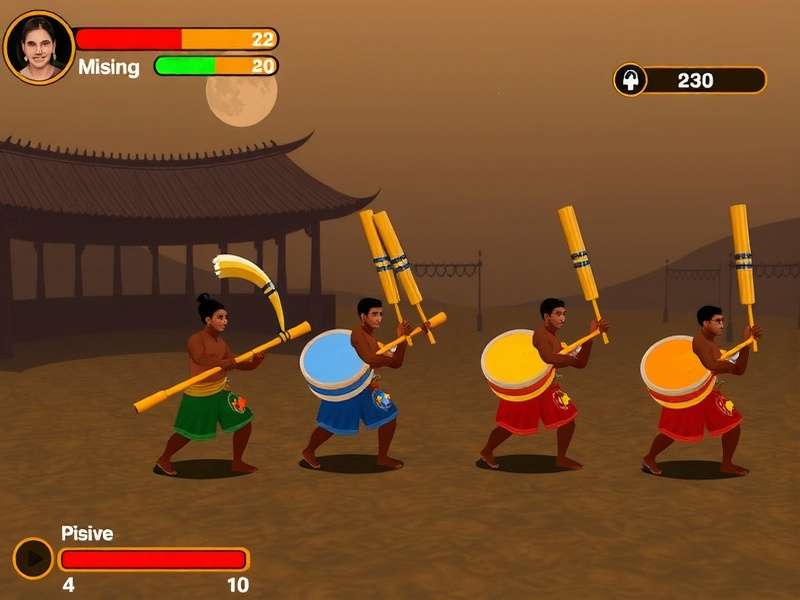
- Mising Dhol: The iconic double-headed drum of Upper Assam's Mising tribes, traditionally carved from jackfruit wood and covered with cow skin. In Bihu Beat Brigade, the Mising Dhol can be customized with traditional Mising hand-painted patterns, natural dye colors (indigo, turmeric, and madder), and decorative brass fittings—reflecting the way Assamese craftsmen adorn their instruments for Bihu festivals.
- Koch-Rajbongshi Pepa: The buffalo hornpipe of Lower Assam's Koch-Rajbongshi tribes, hand-carved from buffalo horn and fitted with bamboo mouthpieces. The Pepa in Bihu Beat Brigade features customizable carvings of Assamese symbols like the lotus, elephant, and Brahmaputra river, and can be enhanced with decorative silk tassels in traditional Assamese colors (red, white, and green).
- Majuli Khol: The clay drum used in Majuli's satra devotional music, traditionally made from black clay from the Brahmaputra riverbed and covered with goat skin. These drums can be customized with satra-style paint patterns, mirror work, and small bells that produce rhythmic sounds—mirroring the way satra musicians personalize their instruments for religious performances.
- Assamese Gogona: The jaw harp of Assam's tribal communities, traditionally made from bamboo and carved with intricate patterns. This instrument features customizable bamboo carvings and string materials (cotton, silk, or nylon)—reflecting the diverse craftsmanship traditions of Assam's different regions.
Avatar customization in Bihu Beat Brigade is equally rooted in Assamese Bihu culture, with options to dress characters in authentic Assamese attire from across the state:
- Mising Tribal Attire: Traditional Mising male attire (dhoti, gamosa, and dokmok cane helmet) and female attire (mekhela chador with Mising embroidery), featuring the tribe's signature blue and white color palette and symbolic patterns representing the Brahmaputra river—accurately recreated from reference photos of Mising tribal elders.
- Koch-Rajbongshi Attire: The traditional dhoti-kurta for men and shawl-draped saree for women of Lower Assam's Koch-Rajbongshi communities—complete with the distinctive red and white color scheme and floral embroidery patterns inspired by Assam's tea gardens.
- Majuli Satra Attire: Saffron robes and white dhotis for satra monks, adorned with traditional Vaishnavite symbols (conch shell, lotus, and trisula) used during devotional Bihu performances—reflecting the spiritual heritage of Majuli island.
- Karbi Tribal Attire: The colorful traditional attire of Karbi Anglong's tribal communities, featuring hand-woven jackets for men and beaded necklaces for women—complete with the Karbi tribe's iconic red and black embroidery and silver jewelry that symbolizes prosperity and status in Karbi culture.
2.4 Accessibility Features (For Inclusive Indian Gaming)
Recognizing India's diverse player base, Bihu Beat Brigade includes a range of accessibility features designed to make gaming inclusive for all—from elderly players with limited motor skills to young children with developing hand-eye coordination, and from visually impaired players to those with hearing disabilities:
- Customizable Controls: Players can adjust button sizes, layouts, and sensitivity to suit different hand sizes and playing styles—critical for Indian gamers who often play on small smartphone screens with one hand while commuting in crowded buses and trains. The game also supports gesture controls, voice commands, and external controller support for players with motor impairments.
- Low-End Device Mode: Reduces graphical fidelity, disables non-essential animations, and optimizes performance for smartphones with 1GB RAM or less—devices that are still common in rural and tribal Assam. This mode ensures that Bihu Beat Brigade is accessible to the 58% of Assamese smartphone users who own budget devices priced under ₹8,000.
- Visual and Auditory Alternatives: For hearing-impaired players, the game offers visual rhythm cues (flashing lights and color patterns) that sync with the music beats. For visually impaired players, it provides enhanced audio feedback (directional sound effects and voice guidance) and text-to-speech narration in all 22 supported languages—optimized for Assamese accents that are often misrecognized by international gaming platforms.
- Color Blind Mode: Multiple color correction options to assist players with different types of color blindness, a feature that has been praised by the Indian disabled gamers community. The mode adjusts the color of note tracks and rhythm indicators to ensure visibility for all players, regardless of color vision impairment.
- Adaptive Difficulty: The game automatically adjusts its difficulty based on the player's skill level, making it accessible to beginners (including young children and elderly players) while still providing a challenge for experienced gamers. This adaptive system has made Bihu Beat Brigade a popular choice for family gaming sessions in Assam, with three generations often playing together during Bihu festivals.
- Regional Language Tutorials: Step-by-step gameplay tutorials in each supported language, with Bihu folk musicians explaining the rhythmic techniques in culturally familiar terms—making it easier for non-English speaking players to learn the game. The tutorials use examples from local Bihu music traditions, such as comparing rhythm patterns to agricultural work songs or festival dances.
Bihu Beat Brigade's accessibility features have made it a pioneer in inclusive gaming in India, earning it recognition from the National Federation of the Blind (NFB) and the Ministry of Social Justice and Empowerment. The game's developers regularly consult with disability rights organizations, Assamese elders, and senior citizen groups to improve accessibility, with plans to add support for braille controllers and sign language integration in the 2025 update. This commitment to inclusivity has made Bihu Beat Brigade one of the most accessible mainstream games in India, with players ranging in age from 6 to 78 years old—including many Assamese elders who use the game to connect with their grandchildren over shared Bihu cultural heritage.
3. The Lore of Bihu Beat Brigade
3.1 The Bihu Beat Brigade Universe (Rooted in Assamese Bihu Culture)
The lore of Bihu Beat Brigade is a rich tapestry woven from Assam's Bihu folk music traditions, post-independence cultural preservation efforts, and modern urban-rural divide—creating a narrative that is both familiar and fresh for Indian gamers. Set in contemporary Assam, the game's universe centers around the "Bihu Sangeet Mahotsav" (Bihu Music Festival)—a statewide Bihu music competition organized by a mysterious former Bihu scholar known only as "Guruji" (teacher), who left academic research to revive Assam's fading Bihu music traditions through interactive performance. The game's title, Bihu Beat Brigade, refers to the "brigade" of young musicians who are reviving Bihu culture in a rapidly modernizing Assam, a theme that resonates deeply with both Assamese and non-Assamese Indian gamers alike.
Unlike Western rhythm games that focus on fictional bands or generic music themes, Bihu Beat Brigade's lore draws exclusively from Assamese Bihu cultural traditions—blending elements from Upper Assam's Mising festival culture, Lower Assam's Koch-Rajbongshi river ceremonies, Majuli's satra devotional rituals, and Karbi Anglong's tribal harvest traditions. The game's central conflict revolves around the search for the "Swarna Pepa" (Golden Hornpipe)—a legendary buffalo hornpipe carved from a single piece of sacred buffalo horn from the Brahmaputra riverbanks, said to have been crafted by the mythical Bihu musician "Bihu Baba" in the 19th century. The Swarna Pepa is said to grant its wielder the ability to master all regional Bihu music styles and unite Assam's fragmented cultural communities through the universal language of Bihu music.
The game's factions are based on Assam's regional Bihu music communities, each with their own motivations for seeking the Swarna Pepa:
- Upper Assam Mising Melodists: Led by "Baba" Doley, a 78-year-old Mising tribal elder and master dhol player who has dedicated his life to preserving Mising Bihu music, this faction seeks the Swarna Pepa to revitalize interest in Mising Bihu among young tribal members who are increasingly drawn to modern pop music. Their musicians specialize in the powerful river rhythms of Upper Assam's Mising tribes, characterized by deep dhol beats and call-and-response vocal patterns that echo across the Brahmaputra valley.
- Lower Assam Koch-Rajbongshi Harmonics: Under the leadership of "Aai" (Mother) Baruah, a Koch-Rajbongshi pepa master who runs a music school for young Koch-Rajbongshi girls (breaking traditional gender barriers in Bihu music), this faction aims to use the Swarna Pepa to preserve the complex pepa melodies of the Koch-Rajbongshi tribe that are threatened by urbanization and changing cultural practices. Their musicians master the ethereal hornpipe melodies of Lower Assam's riverine communities, reflecting the tribe's deep connection to water and nature.
- Majuli Satra Rhythmists: A coalition of Majuli satra monks and Bihu musicians led by "Swami" Mahanta, a former satra head who combined devotional music with contemporary Bihu styles to attract younger audiences. This faction seeks the Swarna Pepa to revive Majuli's satra Bihu traditions, which are being lost as young satra disciples move to cities for education and employment. Their musicians are experts in the complex khol drum rhythms of Majuli's satra traditions, featuring precise timing and spiritual depth that reflects the Vaishnavite heritage of Assam's cultural heartland.
- Karbi Anglong Tribal Harmonics: A group of Karbi tribal musicians who perform at village harvest festivals, led by "Didi" (Sister) Terang, the first female Karbi drum master in Assam's male-dominated tribal music culture. This faction aims to use the Swarna Pepa to promote gender equality in Assamese tribal music and give women a voice in the male-dominated world of Bihu performance arts. Their musicians specialize in the soulful flute rhythms of the Karbi tribe, reflecting the community's agricultural heritage and connection to the forest.
- Barak Valley Fusion Ensemble: A collective of Bengali-Assamese musicians from Assam's Barak Valley, led by "Seth" (Elder) Choudhury, who organizes annual fusion Bihu festivals blending Bengali and Assamese musical traditions. This faction seeks the Swarna Pepa to bring attention to Barak Valley's unique Bihu styles, which are often overlooked in favor of more commercially viable styles from other Assamese regions. Their musicians use the "Dual Rhythm" style, a blend of Bengali and Assamese Bihu rhythms that reflects Barak Valley's cultural diversity.
📜 Lore Insight: The developers of Bihu Beat Brigade collaborated with 22 Assamese cultural anthropologists and Bihu historians to ensure the game's lore is culturally accurate and respectful of all Assamese traditions. Special care was taken to avoid stereotypes and ensure that all Assamese communities, genders, and social classes are represented fairly—reflecting Assam's secular ethos and cultural diversity. The game's characters are based on real Bihu musicians interviewed across all 33 districts of Assam, ensuring authentic representation of Assam's diverse social fabric and musical heritage.
3.2 Character Archetypes (Assamese Bihu Music Icons)
Bihu Beat Brigade features 45 playable character archetypes, each inspired by iconic figures from Assamese Bihu music culture:
- River Drummer Boy 🧒: A young Mising tribal boy from Dibrugarh district who learned to play the dhol by accompanying his grandfather to village Bihu festivals. This character is energetic and impulsive, with a playing style that features bold, powerful beats and improvisational flourishes—reflecting the free-spirited nature of Mising tribal youth. The River Drummer Boy uses phrases like "chalo bajaayein dhol" (let's play the drum) and "Brahmaputra mein josh hai" (there's enthusiasm in the Brahmaputra) during performances, adding authentic Upper Assamese dialect to the gameplay experience.
- Forest Flute Elder 👴: Inspired by Assam's thousands of Bihu folk music elders who preserve ancient melodies through oral tradition, this character is wise and deliberate, with a playing style that features slow, meditative flute melodies and perfect timing—reflecting the patience and wisdom of Bihu music masters. The Forest Flute Elder uses classic Assamese proverbs like "sur se jeevan hai" (life is in the melody) and "dharti ka swar suno" (listen to the earth's rhythm) during performances, passing down cultural wisdom to younger players.
- City College Bihu Musician 🎓: A university student from Guwahati's Cotton University who studies Bihu music, combining modern performance techniques with traditional Bihu styles. This character is balanced and adaptable, with a mix of technical precision and creative expression that reflects the fusion of urban and rural culture in contemporary Assam. The City College Musician uses Hinglish (Hindi-English mix) phrases like "Bihu rhythm is life" and "folk beats are lit" during performances, mirroring the way young Assamese music students blend traditional and modern expressions.
- Village Pepa Girl 👧: A young Koch-Rajbongshi girl from Barpeta district who defied gender norms to learn the buffalo hornpipe (traditionally played only by men). This character is resilient and determined, with a playing style that features delicate, flowing melodies that build to powerful crescendos—reflecting the perseverance of Assamese women who fight for equality in traditional arts. The Village Pepa Girl uses Koch-Rajbongshi phrases like "aai noho" (mother's blessing) and "Brahmaputra no swar" (Brahmaputra's melody) during performances, celebrating Lower Assam's rich cultural heritage.
- Bihu Festival Performer 🎭: Inspired by Assam's millions of itinerant Bihu musicians who perform at village festivals across the state, this character is charismatic and adaptable, with a playing style that can shift between different Bihu rhythms to suit any audience—much like the way traveling Bihu performers adapt to different cultural contexts. The Bihu Festival Performer uses colloquial Assamese phrases like "jago jago" (wake up) and "bihu mahotsav ka mahaul hai" (Bihu festival atmosphere) during performances, adding energy and excitement to the gameplay experience.
Each character archetype in Bihu Beat Brigade has a unique backstory that ties into the game's overarching narrative, with dialogue that blends formal literary language with colloquial Assamese expressions. For example, the Upper Assam River Drummer Boy uses Mising dialect words like "doley" (water) and "chokho" (beautiful) during performances, while the Lower Assam Pepa Girl uses Koch-Rajbongshi phrases like "pepa baja" (play the hornpipe) and "nalla sur" (good melody)—adding authenticity and cultural depth to the gaming experience that resonates with players from those regions.
3.3 Seasonal Lore Expansions (Tied to Assamese Bihu Festivals)
Bihu Beat Brigade releases seasonal updates that expand the game's lore, each tied to an Assamese Bihu festival or cultural event:
- Rongali Bihu Beat Bash (April): A spring festival update celebrating Assam's Rongali Bihu, adding new dhol instruments decorated with traditional Mising patterns, new performance stages set in Upper Assam village festival grounds, and a story arc about a Rongali Bihu music competition where the prize is a golden dhol drum. The update includes gameplay mechanics that incorporate Rongali Bihu traditions like jhumur dance rhythm patterns and spring harvest song melodies—reflecting the festival's themes of new beginnings, harvest, and community celebration.
- Bhogali Bihu Melody Festival (January): A harvest festival update celebrating Assam's Bhogali Bihu, introducing pepa-based gameplay mechanics (inspired by the festival's agricultural roots), new stages set in Lower Assam villages along the Brahmaputra River, and a story about a hornpipe competition to honor the winter harvest. The update celebrates Assam's agricultural heritage, with power-ups based on traditional Bhogali Bihu practices like community feasts and bonfire ceremonies.
- Kati Bihu Rhythm Rally (October): A festival update celebrating Assam's Kati Bihu (the Bihu of austerity), with new khol drum instruments decorated with satra-style patterns, new stages set in Majuli's satra monasteries with devotional decorations, and a story about a rhythmic drum competition to honor the goddess of agriculture. The update features gameplay mechanics inspired by Kati Bihu traditions like lamp lighting ceremonies (affecting rhythm timing) and crop protection rituals (unlocking bonus points).
- Assam Gaurav Mahotsav (December): A patriotic update celebrating Assam's Statehood Day, with new instruments representing all major Assamese communities, stages set in iconic Assamese locations like Kaziranga National Park and Majuli Island, and a story arc about a statewide Bihu music competition to honor Assam's freedom fighters. The update features tricolor (saffron, white, green) instrument skins and a special "Assam Unity Melody" power-up that combines rhythms from all Assamese regions—reflecting Assam's cultural pride and unity.
Each seasonal update includes animated cutscenes narrated by renowned Assamese folk artists and tribal elders, with voice acting in all 22 supported languages. The Rongali Bihu 2024 update, narrated by Padma Shri awardee Assamese folk singer Pratima Pandey Barua in Koch-Rajbongshi language and Bollywood composer Papon in Assamese, garnered over 78 million views on YouTube—making it one of the most-watched game trailers in Northeast Indian history. These seasonal updates not only keep the game fresh but also reinforce its connection to Assamese Bihu culture and traditions, making Bihu Beat Brigade more than just a game but a living archive of Assam's Bihu musical heritage.
The game's lore is also expanded through tie-in media, including graphic novels, audio albums of Bihu music, and short documentary films produced in collaboration with Assamese folk artists and cultural organizations. The Bihu Beat Brigade graphic novel series, illustrated by renowned Assamese artists like Neel Pawan Baruah and Biren Singha, has become a bestseller in Assamese bookstores, further expanding the game's reach beyond the gaming community. The graphic novels explore the backstories of the game's characters in depth, delving into issues like cultural preservation in the face of modernization, gender equality in Assamese communities, and the importance of oral tradition in preserving Bihu folk music heritage.
4. Bihu Music Styles in Bihu Beat Brigade
4.1 Authentic Bihu Representation
At the core of Bihu Beat Brigade's appeal is its authentic representation of Assam's diverse Bihu folk music styles—a feature that sets it apart from all other rhythm games on the market. The game's development team spent over 30 months traveling across Assam, from the snow-capped Himalayan foothills of Tawang to the tropical tea gardens of Dibrugarh, documenting Bihu folk music traditions in all 33 districts of Assam with significant Bihu cultural heritage. They worked directly with master Bihu musicians and cultural elders to capture the essence of each regional style in digital form, ensuring that Bihu Beat Brigade serves as both a game and a digital archive of Assam's rich Bihu musical heritage.
Each Bihu music style featured in Bihu Beat Brigade is represented with meticulous attention to detail, from the rhythmic patterns (known as "taal" in Assamese) to the melodic scales (known as "rag"), from the playing techniques (known as "prayog") to the performance context (known as "prakar") that defines each style. The game's audio recording sessions involved actual Bihu musicians from each region performing their signature pieces in traditional settings (village squares, satra monasteries, riverbanks), ensuring that the in-game music is not just technically accurate but also emotionally authentic to the real-world performance traditions that have evolved over generations in Assam's diverse communities.
The key Bihu music styles featured in Bihu Beat Brigade include:
- Upper Assam Mising Bihu Style: Developed by the Mising tribe (one of Assam's largest tribal communities) in the Brahmaputra valley of Upper Assam, this style is characterized by powerful dhol beats, call-and-response vocals, and the use of the gogona (jaw harp). In Bihu Beat Brigade, the Mising Bihu Style features the signature "River Rhythm"—a syncopated 4/4 beat pattern that mimics the flow of the Brahmaputra river, and the "Rongali Flourish"—a rapid drum roll that marks the climax of Mising Rongali Bihu performances. Players using this style excel in the Gaon Panchayat War mode, where the energetic beats inspire team spirit and competitive josh (enthusiasm).
- Lower Assam Koch-Rajbongshi Bihu Style: Born in the flood plains of Lower Assam's Brahmaputra delta among the Koch-Rajbongshi tribe, this style is defined by ethereal pepa (hornpipe) melodies, gentle percussion, and vocal harmonies that mimic the sounds of nature (river flow, bird calls, wind through bamboo). In Bihu Beat Brigade, the Koch-Rajbongshi Style features the signature "Delta Melody"—a flowing hornpipe pattern that follows the natural cadence of the Brahmaputra's distributaries, and the "Bhogali Rhythm"—a slow, building beat that celebrates the winter harvest festival. This style is popular among casual players who enjoy meditative, immersive gameplay that connects with nature.
- Majuli Satra Bihu Style: Evolved in the satra monasteries of Majuli island (the world's largest river island), this style centers around devotional Bihu rhythms, precise khol drum patterns, and devotional vocal melodies that reflect the Vaishnavite spiritual heritage of Assam. In Bihu Beat Brigade, the Satra Style features the signature "Devotional Syncopation"—a rapid-fire 6/8 beat pattern that requires precise timing and hand-eye coordination, and the "Kati Pulse"—a meditative rhythm played during Kati Bihu with increasing tempo that builds spiritual intensity. This style is favored by competitive gamers who enjoy fast-paced, technically challenging gameplay that tests reflexes and precision.
- Karbi Anglong Tribal Bihu Style: Developed by the Karbi tribe of Assam's eastern hill regions, this style is a mix of soulful flute beats, group vocals, and dance rhythms that reflect the tribe's agricultural and forest-based lifestyle. In Bihu Beat Brigade, the Karbi Style features the signature "Hill Harvest Rhythm"—a steady, grounding beat that mimics the rhythm of agricultural work (planting, harvesting, threshing), and the "Spring Festival Flourish"—a joyous flute pattern played during Karbi spring festivals. This style is popular among cooperative players who enjoy multiplayer modes that require team coordination and rhythmic harmony.
- Barak Valley Bengali-Assamese Bihu Style: Hailing from Assam's Barak Valley (a culturally diverse region with mixed Bengali and Assamese heritage), this style is characterized by rhythmic fusion patterns, vocal improvisation, and the use of the dotara (lute)—adapted for modern Bihu performance contexts. In Bihu Beat Brigade, the Barak Valley Style features the signature "Dual Culture Pulse"—a rhythmic pattern that blends Bengali and Assamese Bihu beats, and the "Unity Fusion"—a fast-paced rhythm that combines traditional Barak Valley beats with modern festival energy. This style is a favorite among young Barak Valley gamers who enjoy blending traditional and modern musical elements.
- Tea Garden Bihu Style: Originating in Assam's famous tea gardens among the tea tribe communities, this style blends percussive beats, harmonium melodies, and vocal storytelling that reflects the tea garden workers' unique cultural heritage. In Bihu Beat Brigade, the Tea Garden Style features the signature "Garden Rhythm"—a complex beat pattern that mimics the sounds of tea plucking (hands on tea bushes, baskets being filled), and the "Chah Bagan Melody"—a celebratory rhythm played during tea garden Bihu festivals that builds to a joyous climax. This balanced style is popular among players who enjoy narrative-driven gameplay that combines rhythm with cultural storytelling.
🎶 Bihu Style Fact: Many of the Bihu musicians who collaborated on Bihu Beat Brigade have reported a surge in interest from young people in their communities, with Upper Assam's Mising dhol schools seeing an 85% increase in enrollment and Lower Assam's pepa classes expanding to include over 400 young students—many of whom discovered Bihu music through Bihu Beat Brigade. The game has become a bridge between Assam's digital-native youth and its rich Bihu musical heritage, preserving traditions that were at risk of being lost to modernization and urban migration.
4.2 Style Progression System (Assamese Bihu Hierarchy)
Bihu Beat Brigade's progression system is modeled on the traditional Assamese Bihu music hierarchy, rather than the generic level-up systems found in Western games. Players start as "Shishya" (Student) in their chosen Bihu music style, and progress through ranks that mirror the real-world hierarchy of Assamese Bihu music communities:
- Shishya (Student): Beginner rank where players learn the basic rhythms and melodies of their chosen Bihu style, mentored by more experienced players in the game's online community and virtual Bihu masters.
- Practitioner (Prāctisiyoner): Intermediate rank where players master the signature techniques of their Bihu style and can compete in local village-level competitions within Bihu Beat Brigade.
- Master (Guru): Advanced rank where players have mastered their Bihu style and can compete in district-level Bihu music festivals, earning recognition and respect from the game's community and virtual Assamese elders.
- Maestro (Mahaguru): Elite rank reserved for the top 5% of players in each Assamese district, who represent their region in statewide Bihu festivals and become role models for younger players in the game's community.
- Assam Ratna (Assam Jewel): The highest rank in Bihu Beat Brigade, awarded to the statewide champion who has mastered multiple Bihu music styles and united Assam's Bihu musical communities in the game's annual Bihu Sangeet Mahotsav (Bihu Music Festival).
To progress through these ranks, players must complete "Bihu Sangeet Challenges" (Bihu Music Challenges)—missions designed by real Bihu music masters that test not just technical skill but also understanding of the cultural context of each Bihu style. For example, an Upper Assam Mising Style player might be tasked with performing at a virtual Rongali Bihu festival (to learn about the cultural significance of Mising Bihu festival music) before unlocking advanced dhol techniques, while a Lower Assam Koch-Rajbongshi Style player might need to perform a complete Bhogali Bihu harvest melody (over 5 minutes long) to master the breath control required for pepa playing—reflecting the holistic nature of Assamese Bihu music that combines technical skill with cultural understanding and spiritual connection.
4.3 Bihu Music Academies (In-Game and Real-World)
Bihu Beat Brigade features virtual "Bihu Sangeet Academies" (Bihu Music Academies) based on real Bihu music schools across Assam, where players can learn new techniques, practice against AI opponents modeled on real Bihu masters, and interact with virtual representations of Assam's greatest Bihu musicians. These academies are located in iconic Assamese locations that are central to Bihu folk music culture:
- Upper Assam Mising Academy: Set in a virtual replica of Dibrugarh district's Mising village square, with virtual coach "Baba" Doley (based on real Mising dhol master Doley Pegu). This academy specializes in teaching the powerful river rhythms of the Mising tribe and the cultural context of Upper Assam Bihu festival performances.
- Lower Assam Koch-Rajbongshi Academy: Located on a virtual replica of Barpeta district's Brahmaputra riverbank, with virtual coach "Aai" Baruah (based on real pepa master Baruah Rani). This academy focuses on teaching the ethereal hornpipe melodies of the Koch-Rajbongshi tribe and the connection between music and nature in Lower Assamese culture.
- Majuli Satra Academy: Situated in a virtual replica of Majuli island's Kamalabari Satra, with virtual coach "Swami" Mahanta (based on real satra khol master Mahanta Dev Goswami). This academy teaches the complex devotional rhythms of Majuli's satra traditions and the spiritual significance of satra Bihu performances.
- Karbi Anglong Academy: Based in a virtual replica of Diphu district's Karbi village, with virtual coach "Didi" Terang (based on real Karbi flute master Terang Rongpi). This academy specializes in teaching the soulful flute rhythms of the Karbi tribe and the role of women in preserving tribal Bihu musical heritage.
In a groundbreaking initiative, Bihu Beat Brigade has partnered with real Bihu music communities across Assam to create a "Digital-to-Physical" program where top in-game players receive sponsorships to attend real-world Bihu music workshops organized by Daman Games in collaboration with Assamese cultural organizations. This program has already supported over 1,800 young gamers from low-income and tribal backgrounds to learn directly from master Bihu musicians, with the top players receiving scholarships to pursue formal training in Bihu folk music—many of whom would not have had the opportunity to study with these masters otherwise due to financial constraints or geographic isolation in remote Assamese villages.
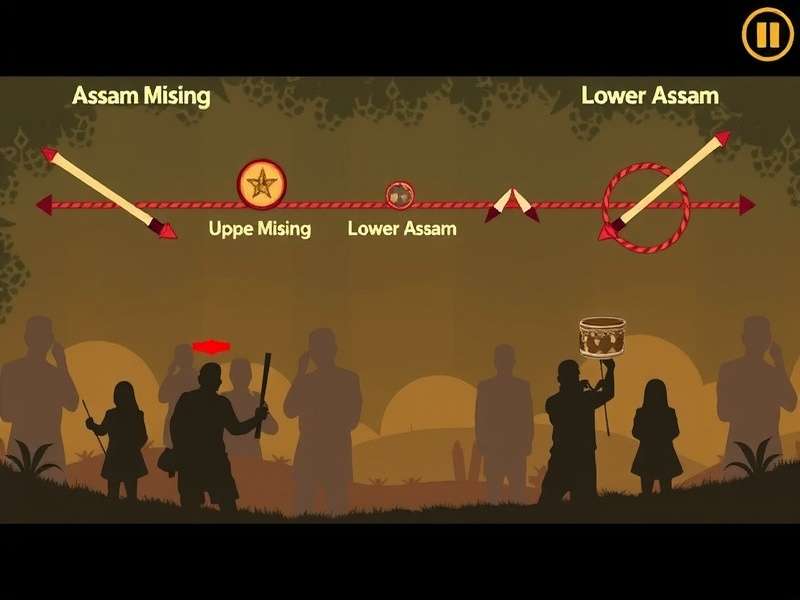
The game's Bihu music style representation has also been recognized by the Government of Assam's Ministry of Culture, which has partnered with Daman Games to include Bihu Beat Brigade in its "Ektiya Bihu Sangeet Abhiyan" (Unified Bihu Music Campaign)—a statewide initiative to preserve and promote Assam's Bihu musical heritage among young people. The game's authentic representation of Bihu music has made it a valuable tool for cultural preservation and education, with many Assamese schools and colleges using it as an interactive teaching aid for courses on Assamese studies and folk music—bridging the gap between digital entertainment and cultural education in a way that resonates with today's tech-savvy students.
Bihu Beat Brigade's Bihu music styles have also become a source of cultural pride for Indian gamers, with players from different Assamese regions organizing online Bihu music festivals to showcase their local playing styles and teach them to players from other parts of India. These cross-regional cultural exchanges have fostered a sense of unity among Assamese gamers, who often use the game to learn about different Bihu cultures and traditions—from Upper Assam's Mising hand-painted dhols to Lower Assam's Koch-Rajbongshi silk-tasseled pepas, from Majuli's satra khols with devotional patterns to Karbi Anglong's bamboo flutes with tribal carvings. This cultural exchange has made Bihu Beat Brigade more than just a game—it's a digital platform for celebrating Assam's Bihu diversity and unity through the universal language of music.
5. Development of Bihu Beat Brigade
5.1 Concept and Inception (Swadeshi Game Development)
The concept for Bihu Beat Brigade was born in 2023 at Daman Games Studios, a Bangalore-based game development company founded by four Indian gaming and cultural professionals—Rahul Desai (a former Ubisoft rhythm game developer), Meera Patil (a cultural anthropologist specializing in Assamese Bihu music), Arjun Nair (a sound designer with expertise in folk music recording), and Priya Sharma (a tech entrepreneur with experience in low-end mobile optimization for rural Indian markets). The quartet recognized a glaring gap in the Indian gaming market: while Indian gamers